
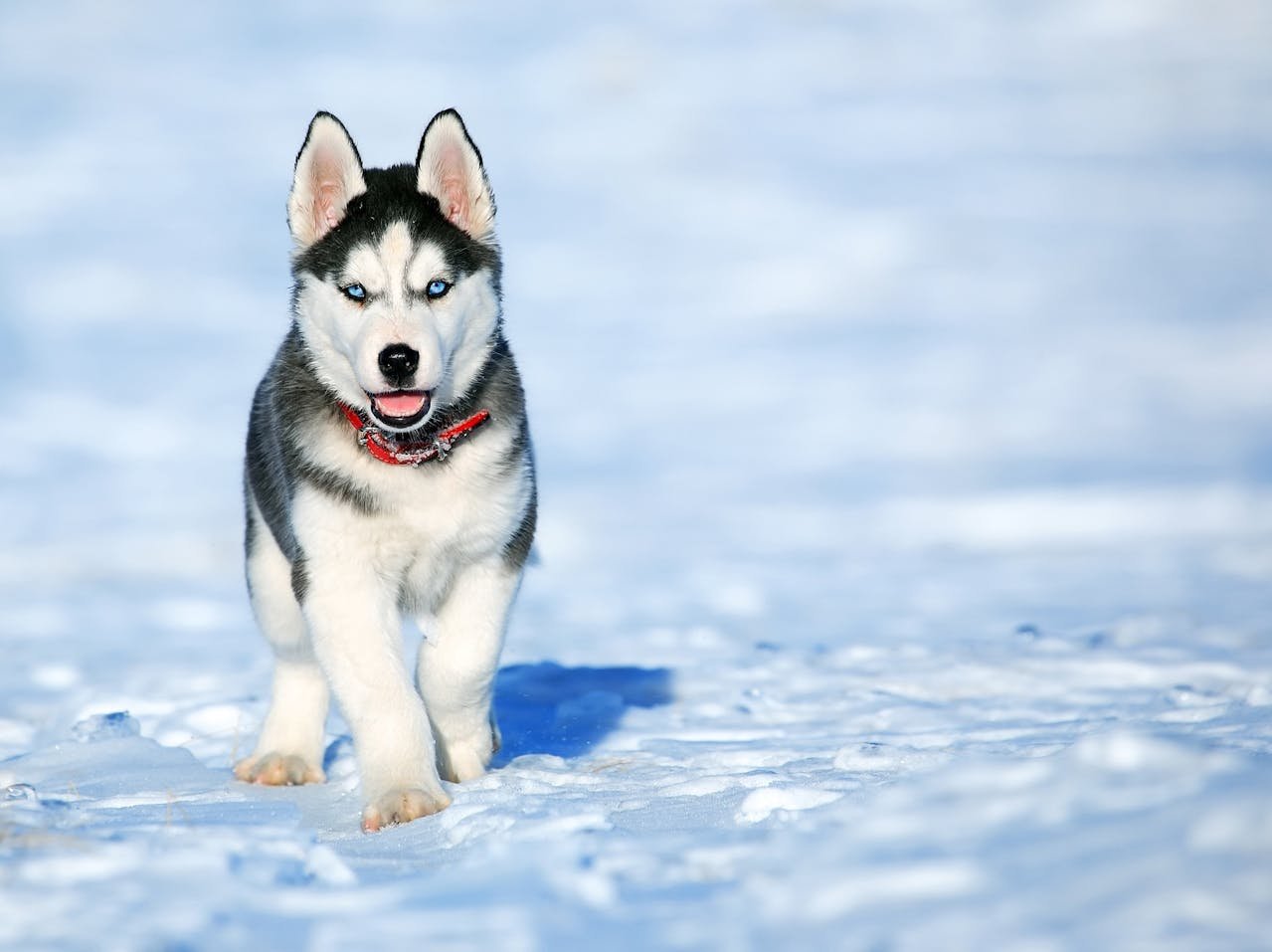
Cold weather can be just as dangerous for pets as it is for people—sometimes even more so. While some animals may appear to tolerate winter conditions, prolonged exposure to cold temperatures can lead to serious health risks. Understanding these dangers and taking simple preventive steps can help keep your pets safe and comfortable throughout the colder months.
Common Cold Weather Risks for Pets
Hypothermia
Hypothermia occurs when a pet’s body temperature drops below normal. Pets that spend too much time outdoors, especially small, short-haired, senior, or sick animals, are at higher risk. Symptoms include shivering, lethargy, weakness, and slowed breathing.
Frostbite
Frostbite typically affects a pet’s ears, paws, tail, and nose. These areas have less fur and reduced blood flow, making them vulnerable in freezing temperatures. Frostbite may cause pale or bluish skin, swelling, and pain, and in severe cases can lead to permanent tissue damage.
Dry Skin and Paw Injuries
Cold air combined with indoor heating can dry out a pet’s skin, leading to itching and cracking. Ice, snow, and de-icing chemicals can also irritate or injure paw pads, causing cuts, burns, or infections.
Increased Illness Risk
Cold weather can weaken a pet’s immune system, increasing the likelihood of respiratory infections, arthritis flare-ups, and other cold-related illnesses, particularly in older pets.
How to Protect Your Pets in Cold Weather
Limit Outdoor Exposure
Keep outdoor trips short during cold or icy conditions. Even pets with thick fur should not be left outside for extended periods. If it’s too cold for you, it’s likely too cold for your pet.
Provide Warm Shelter
Ensure pets have a warm, dry place to sleep indoors. If a pet must stay outside temporarily, provide an insulated shelter elevated off the ground, with warm bedding and protection from wind and moisture.
Protect Paws and Skin
Wipe your pet’s paws after walks to remove ice, salt, and chemicals. Consider using pet-safe paw balms or booties for added protection. Regular grooming and moisturizing shampoos can help prevent dry skin.
Dress for the Weather
Pet sweaters or jackets can help retain body heat, especially for small, short-haired, or elderly pets. Make sure clothing fits properly and does not restrict movement.
Maintain Proper Nutrition
Pets may burn more calories in colder weather to stay warm. Consult your veterinarian to determine if dietary adjustments are needed during winter months.
Final Thoughts
Cold weather brings unique challenges for pet owners, but with awareness and preparation, these risks can be minimized. By keeping pets warm, limiting exposure to harsh conditions, and monitoring their health, you can ensure they stay safe, happy, and healthy all winter long.